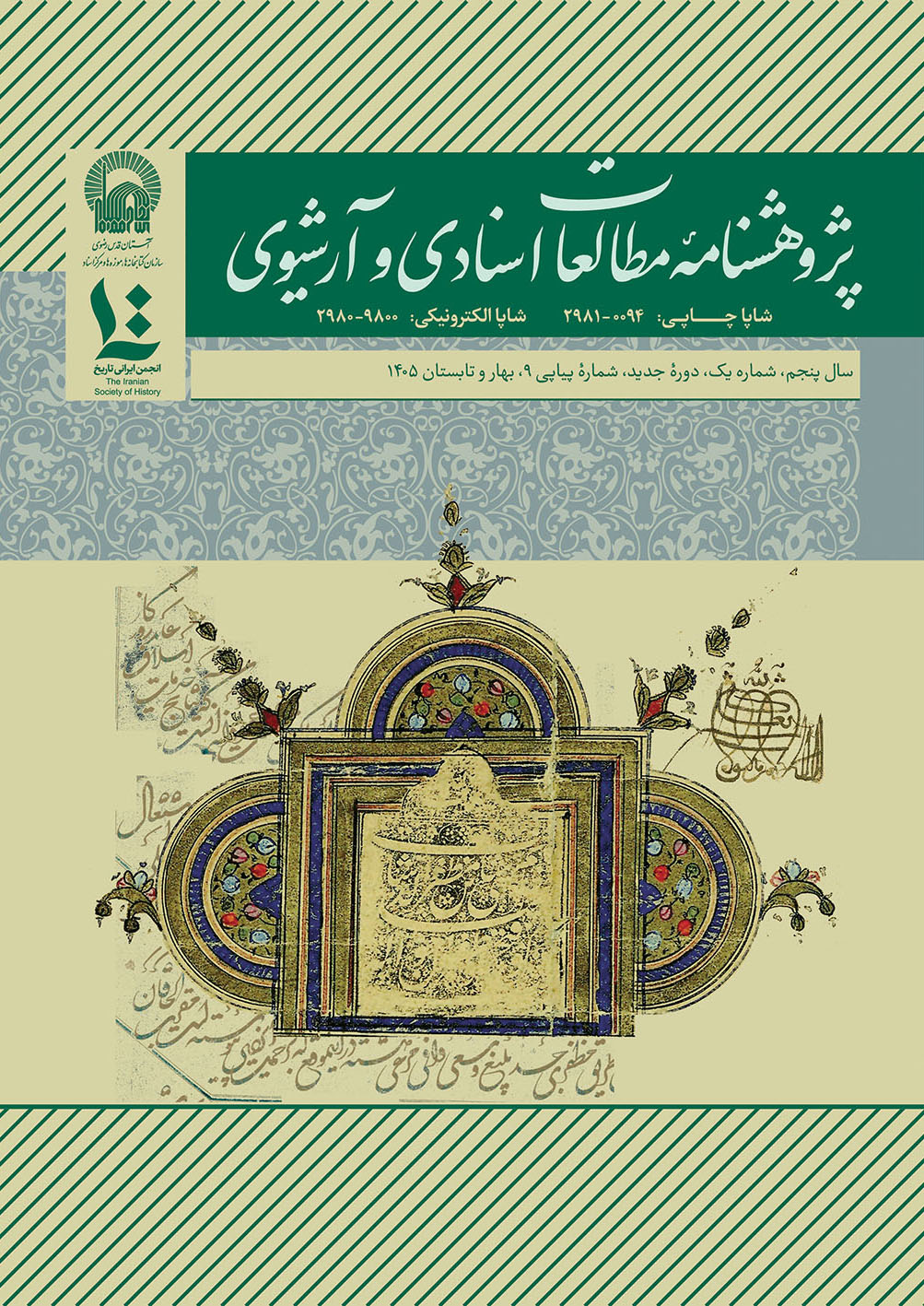
مرکز اسناد آستان قدس رضوی دارای بیش از سیزده میلیون برگ سند ارزشمند و دارای قدمتی چند صد ساله است که بررسی و کاوش در آنها می تواند درون مایه جدیدی برای تاریخ و فرهنگ اسلامی و ایرانی باشد. برهمین اساس ازابتدای تاسیس این مرکز، تلاش برای شناسایی ، معرفی وانتشار این اسناد برای استفاده جامعه محقق انجام شد. حاصل این تلاشها انتشار چند کتاب در حوزه اسناد و تدوین مقالاتی در دفتر اسناد بود.
دفتر اسناد مجموعه مقالاتی بود بر پایه مطالعات تخصصی کارشناسان مدیریت اسناد و مطبوعات، در زمینه اسناد تشکیلات اداری آستان قدس که مجموعهای منحصر به فرد از تاریخ نظام اداری ایران در دورههای صفوی و افشار که تنها اسناد به جای مانده در نوع خود میباشد. تسلسل اسناد موجود در دورههای تاریخی قاجار و پهلوی و انقلاب اسلامی هم، باعث حفظ ارزش انحصاری این مجموعه است. مطالعه و پژوهش بر روی این اسناد اطلاعات ذیقیمتی دربارة وضعیت مؤسسات اداری، نظام درآمد و پرداخت، سلسله مراتب کارکنان، انواع مشاغل، میزان مواجب و ... به دست میدهد، همچنین روشنکننده تحولات تاریخی، وضعیت اقتصادی، اجتماعی و فرهنگی ایران، خاصه خراسان و مشهد در این دوران است. از ارزشهای اطلاعاتی دیگر این اسناد شناسایی اختصاصات اسناد و انواع آن و شناخت رجال و معاریف آستان قدس و خراسان است.چهار شماره از این دفتر منتشر شد و در زمان انتشار شماره پنجم مقرر شد تا به شکل مجله در آمده وتحت عنوان پژوهشنامه مطالعات اسنادی و آرشیوی به کار خود ادامه دهد.
«پژوهشنامه مطالعات اسنادی و آرشیوی» یک نشریه علمی داوریشده است که به پیشبرد پژوهشهای دانشگاهی در تقاطع مستندسازی، علم آرشیو، مدیریت اسناد و مطالعات حافظه اختصاص دارد. این مجله زمینهای برای پژوهشگران، آرشیوداران، اطلاعرسانان و صاحبنظران فراهم میکند تا یافتههای پژوهشی اصلی، بینشهای نظری، نوآوریهای روششناختی و دیدگاههای انتقادی خود را درباره ایجاد، سازماندهی، حفظ و استفاده از میراث اسنادی در بافتهای اجتماعی، فرهنگی و فناورانه متنوع به اشتراک بگذارند. با تأکید بر رویکردهای بینرشتهای و دیدگاههای جهانی، این مجله از مقالاتی استقبال میکند که به هم پایههای تاریخی و چالشهای نوین، از جمله تحول دیجیتال، مدیریت اخلاقی، رویکردهای غیراستعماری و نقش در حال تحول آرشیوها در گفتمان شهروندی و تولید دانش، پرداخته باشند.
«پژوهشنامه مطالعات اسنادی و آرشیوی»، دوفصلنامهای در حوزه اسناد مکتوب و مطالعات آرشیوی است که با کسب مجوز مورخ 15/02/1399 به شماره 86365 از وزارت فرهنگ و ارشاد اسلامی، ثبت و به نام سازمان کتابخانهها، موزهها و مرکز اسناد آستان قدس رضوی با همکاری و حمایت انجمن ایرانی تاریخ به صورت الکترونیکی منتشر میشود. پیش از این، بر اساس مصوبات سازمانی، چهار شماره از پژوهشنامه مطالعات اسنادی و آرشیوی به صورت چاپ کاغذی منتشر شده است. رویکرد این نشریه تأکید بر تاریخ آستان قدس، خراسان بزرگ و ایرانپژوهی بر اساس اسناد موجود درآستان قدس و دیگر مراکز اسنادی بوده است. توسعه مطالعات آرشیوی در حوزه تاریخ شفاهی را نیز جزو اهداف خود قرار داده است. این نشریه در تابستان1404 از سوی کمیسیون بررسی نشریات وزارت علمی کشور موفق به اخذ درجه علمی-پژوهشی شد.
******************************************************
معرفی مجله
عنوان مجله: پژوهشنامه مطالعات اسنادی و آرشیوی
عنوان انگلیسی مجله: Journal of Documentary and Archival Studies
صاحب امتیاز: سازمان کتابخانه ها، موزه ها و مرکز اسناد آستان قدس رضوی
ناشر: سازمان کتابخانه ها، موزه ها و مرکز اسناد آستان قدس رضوی
انجمن علمی حامی: انجمن ایرانی تاریخ
گروه علمی (موضوعی): علوم انسانی
زیر گروه: تاریخ
حوزههای موضوعی مجله: علم آرشیو | میراث اسنادی | مدیریت اسناد | آرشیوهای دیجیتال | مطالعات حافظه | حافظه تاریخی | تاریخ شفاهی | سازماندهی دانش | نسخ خطی.
تاریخ آغاز اعتبار: 01 / 01/ 1403 توسط کمیسیون بررسی نشریات علمی کشور
نوع داوری: دوسو ناشناس، گمنام و محرمانه
میانگین بازه زمانی بررسی اولیه مقالات دریافتی: حدود 10 روز
میانگین بازه زمانی فرایند داوری پذیرش مقالات: 5 تا 6 ماه، حداقل دو داور
درصد پذیرش مقالات: 20 درصد
فاصله انتشار: دوفصلنامه
زبان مجله: فارسی (چکیده مبسوط و منابع به انگلیسی)
نوع مجله: نشریه علمی
درجه اعتبار: علمی
نوع مقالات: پژوهشی و مروری
نوع انتشار: چاپی و الکترونیکی
نوع دسترسی: رایگان (تمام متن)
شاپای چـــــاپی: 29810094
شاپای الکترونیکی: 29809800
شیوه استناددهی: شیوهنامه استنادی APA
تلفن: 05132232511 | زمان تماس ساعت 9 صبح تا 4 عصر.
رایانامه دانشگاهی مجله: psa@library.razavi.ir
جیمیل پشتیبان مجله:--
آدرس وبگاه مجله: https://docs.aqr-libjournal.ir
نشانی مجله: ایران،ایران، مشهد، حرم مطهر، دوربرگردان طبرسی، ساختمان بنیاد پژوهشهای اسلامی، مدیریت امور اسناد و مطبوعات.
هزینه داوری مقاله: ندارد.
هزینه پذیرش نهایی و انتشار: ندارد.
ضریب تأثیر در پایگاه استنادی جهان اسلام (ISC): مجله جزو نشریات چارک (--) در پایگاه استنادی جهان اسلام (ISC) با ضریب تأثیری معادل -- است.
حقمؤلف (کپیرایت) مقالات: مجله تابع قوانین بینالمللی حق نشر همگانی کرییتیو کامنز (CC BY-NC-ND) است. حقمؤلف مقالات از آن نویسندگان است و نویسندگان مالک و صاحب حقمؤلف اثر خود هستند.
نوع دسترسی: دسترسی آزاد به مقالات مجله «پژوهشنامه مطالعات اسنادی و آرشیوی» بر اساس مجوز کرییتیو کامنز (CC BY-NC-ND)
کمیته بینالمللی اخلاق نشر (کوپ): مجله «پژوهشنامه مطالعات اسنادی و آرشیوی» با احترام به قوانین اخلاق نشر، تابع راهنماها، اصول و قوانین کمیتۀ اخلاق در انتشار (COPE) است و از آییننامۀ اجرایی قانون پیشگیری و مقابله با تقلب در آثار علمی پیروی میکند.
سیاست مبارزه با سرقت ادبی و همانندجویی: بر اساس قرارداد با شرکت سیناوب تمامی مقالات ارسالی به مجله «پژوهشنامه مطالعات اسنادی و آرشیوی» قبل از ورود به فرایند داوری از طریق نرمافزارهای مشابهتیاب، همانندجو، همتایاب، همیاب و سمیمنور بررسی خواهند شد.
نکات قابل توجه نویسندگان: مجله بعد از داوری و برای چاپ مقاله، هزینه دریافت خواهد کرد؛ اما بازنشر اطلاعات در این پایگاه با ذکر منبع آزاد است. با توجه به درخواست کمیسیون نشریات علمی کشور، ثبت و نمایش شناسه رایگان ORCID و استفاده از رایانامه دانشگاهی یا سازمانی برای نویسندگان مقالات الزامی است. بنابراین، از نویسندگان محترم درخواست میشود قبل از ارسال مقاله به مجله نسبت به اخذ کد شناسه پژوهشگر ORCID و رایانامه دانشگاهی/سازمانی اقدام نمایند.
نویسنده مسئول مکاتبات: نویسنده مسئول مقاله بایستی حتماً عضو هیئت علمی یک دانشگاه، مرکز یا پژوهشگاه باشد و مقاله حتماً توسط وی به مجله ارسال شود، و یا نامه تأییدیه مکتوب وی و فرمهای ذیل همراه مقاله ارسال شود.
فایلها و فرمهای لازم: چهار فایل ضروری که باید از طریق سامانۀ دریافت مقالهها ارسال شوند: ۱. فایل اصلی مقاله (بدون نام نویسندگان و با رعایت راهنمای نویسندگان و در قالب مقالات مجله)، ۲. فایل مشخصات نویسندگان؛ ۳. فرم تعهدنامه نویسندگان (باید شامل عنوان مقاله و نام و نام خانوادگی تمام نویسندگان باشد و به امضای همه نویسندگان رسیده باشد)؛ ۴. فرم تضاد منافع (باید توسط نویسنده مسئول امضاء و به همراه فایل مقاله بارگذاری شود)؛ و 5. نامه پشتیبان.
قالب مقالات مجله: نسخه نهایی مقاله بعد از طی کردن مراحل داوری و پذیرش مقاله بایستی در قالب مقالات مجله ارسال شود. در غیر این صورت ترتیب اثر داده نخواهد شد.
******************************************************